
Loading...
Serving Doral, FL and surrounding areas. (786) 905-1960
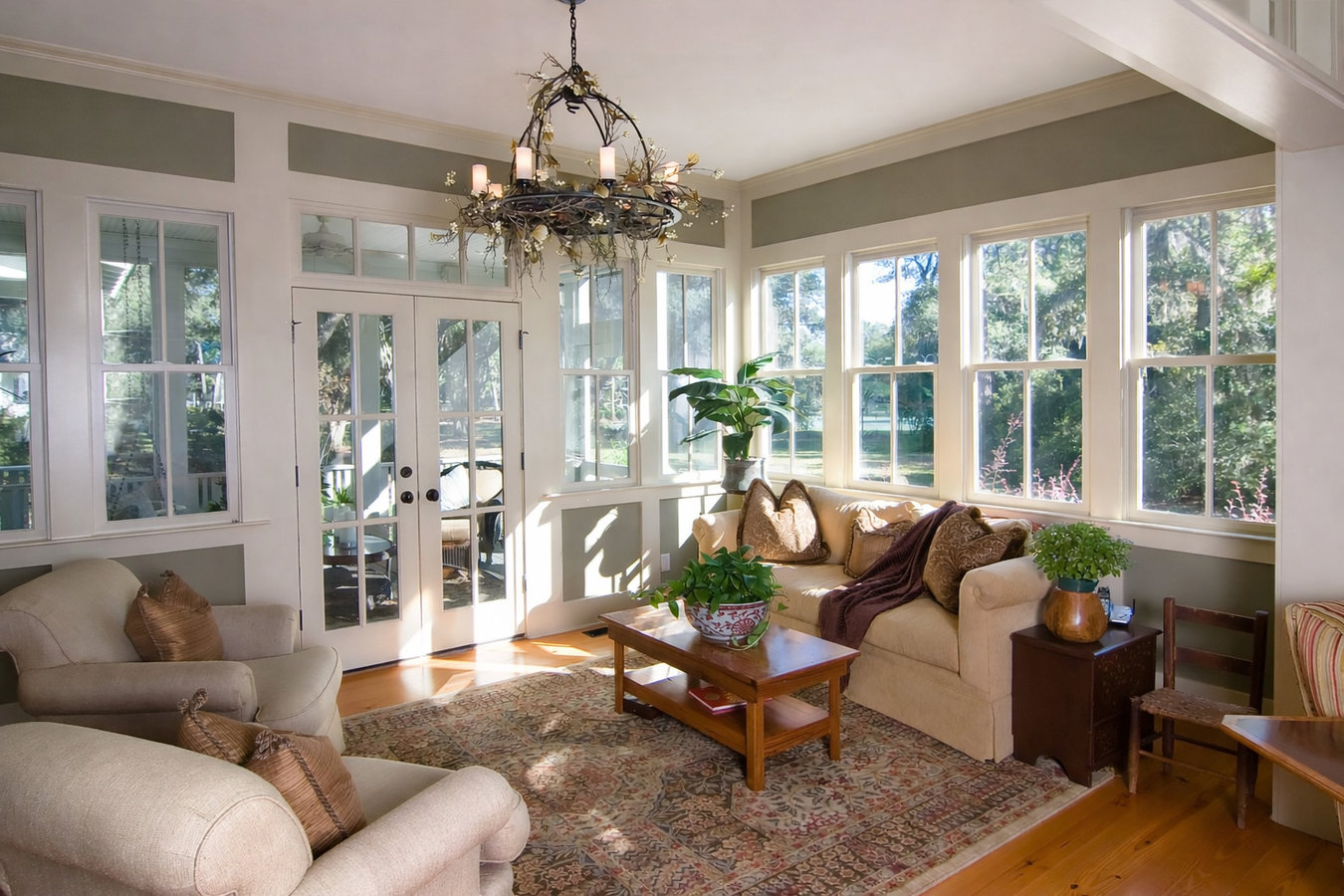
Doral Lanai Sunrooms & Patios is a licensed sunroom contractor serving Miami Springs, FL, handling sunroom remodeling, porch enclosures, and new patio additions on the city's 1920s-to-1950s Mediterranean stucco and concrete block homes. We know how to work with older construction and we reply to every inquiry within one business day.
Many Miami Springs homes have existing porch enclosures or sunrooms that were added decades ago with single-pane glass and frames that no longer meet the current Miami-Dade hurricane code. Our sunroom remodeling service replaces outdated materials with impact-rated glazing and properly sealed frames, making the space both safer and significantly more comfortable.
Miami Springs homes on modest lots often have open rear patios or side yards that get little use during the hot, buggy months. Enclosing that space with screened or glass panels extends the livable footprint of an older home without the disruption and cost of a full room addition.
Miami Springs sits just east of the Miami River corridor and gets heavy mosquito pressure during the rainy season. A screen room lets you use the yard and enjoy the evening air without the insects, and it is one of the lowest-cost options for adding usable outdoor space to a small-lot property.
The original floor plans of Miami Springs homes from the 1920s and 1930s were designed for a different style of living. A sunroom addition provides a bright, open flex space that works as a family room, home office, or sitting area, adapting the home's layout to how people actually live today.
South Florida afternoon thunderstorms move fast and dump heavy rain, and an uncovered patio in Miami Springs becomes useless during most of the summer. A solid or lattice patio cover gives you reliable shade and keeps the surface dry so the space is actually usable from May through October.
Fully enclosed patio rooms are popular with Miami Springs homeowners who want a year-round space that is protected from rain, wind, and insects but still feels connected to the yard. Unlike a standard sunroom addition, an enclosed patio room is often built over an existing slab, reducing the structural work and keeping costs lower.
Miami Springs was founded by aviation pioneer Glenn Curtiss in the 1920s with a Mediterranean Revival design theme, and most of the city's homes date from the 1920s through the 1950s. That makes the typical property here 70 to 100 years old, which puts it in a different category from the newer construction common elsewhere in Miami-Dade. Original stucco finishes, clay tile roofs, and masonry walls that predate current building codes are the norm here. Attaching a sunroom or enclosure to a home like this requires understanding how the original structure was built and where the load-bearing points are, not just following a standard installation template.
The city's proximity to Miami International Airport means some properties deal with increased vibration from aircraft, which over time can work on older mortar joints and stucco surfaces. Miami Springs also sits on flat terrain with a high water table, and the summer rainy season brings intense afternoon thunderstorms that deposit several inches of rain in short periods. Any exterior enclosure or sunroom in this city needs to be sealed and anchored to handle that kind of weather on an ongoing basis, not just at initial installation.
Our crew works throughout Miami Springs regularly, and we understand the local conditions that affect sunroom contractor work here. We file permits through the City of Miami Springs Building and Zoning Department, which is a separate municipal office from Miami-Dade County. Miami Springs has its own inspection process, and contractors who do not work here regularly sometimes submit to the wrong jurisdiction, which causes permit delays of weeks. We work directly with the city's office on every project.
The Mediterranean Revival architecture that defines this city means we encounter stucco exteriors, clay tile roofs, and decorative ironwork on most jobs. We know how to prepare stucco surfaces before attaching framing, how to work around tile rooflines without damaging them, and how to match exterior finishes so the new addition does not look out of place on a home built in the 1930s. The city's dense residential grid, with streets running off the central roundabout known as The Circle, means lots are modest in size and mature trees are common, factors that affect access and staging on every project here.
We also serve homeowners in nearby communities. If you are in Virginia Gardens directly to the west or Sweetwater to the southwest, we cover those areas as well.
We reply to all Miami Springs inquiries within one business day. You do not need to have a detailed plan ready, just a description of the space you want to work with and a general idea of what you are hoping for.
We come to your home and assess the existing structure, including the stucco condition, the roof line, and the attachment points for any new framing. We give you a complete cost estimate at no charge and flag any older construction details that could affect the project scope.
We file the permit with the City of Miami Springs Building and Zoning Department and handle the follow-up. Permit approvals in Miami Springs generally take two to three weeks, and we keep you informed throughout so you know where things stand.
Construction on most Miami Springs projects runs one to two weeks. We schedule the final city inspection, deliver the certificate of completion, and ensure every joint and frame connection is properly sealed before we close out the job.
We serve all of Miami Springs, FL. Free estimates, no commitment, and we handle every permit through the City of Miami Springs Building and Zoning Department.
(786) 905-1960Miami Springs is a small, self-contained city of roughly 14,000 people packed into about three square miles just west of Miami International Airport. The city was founded by aviation pioneer Glenn Curtiss in the 1920s with a Mediterranean Revival architectural theme, and that influence is still visible throughout the residential streets today. Stucco exteriors, red clay tile roofs, arched doorways, and decorative ironwork are common on the older homes. The central roundabout known as The Circle anchors the downtown area and is surrounded by restaurants and shops that serve the local community. The Wikipedia article on Miami Springs covers the city's founding and architectural history in detail.
The housing stock is dominated by single-family detached homes, most of them dating from the 1920s through the 1950s, with some postwar expansion into the 1960s. Lots are modest in size, and mature tree canopies cover most of the residential streets. The city has a high rate of owner-occupied homes and a long-term resident base that values the neighborhood's distinct character. Neighboring communities include Hialeah to the north and Virginia Gardens directly to the west, both of which are also part of our service area.
Durable patio covers that protect your outdoor space from the elements.
Learn MoreMiami Springs homeowners trust us to work carefully on their older Mediterranean-style homes. Call today and we will get back to you within one business day.